Debt Settlement, Bankruptcy & Consumer Protection: My NACBA Presentation with Adrienne Hines
What I think bankruptcy attorneys need to know about debt settlement companies... and why protecting financially distressed consumers has become one of the most important conversations in consumer law.
SpOKE at NACBA About Debt Settlement Companies, Bankruptcy, and Protecting People in Financial Distress
There are some presentations feel more personal than others.
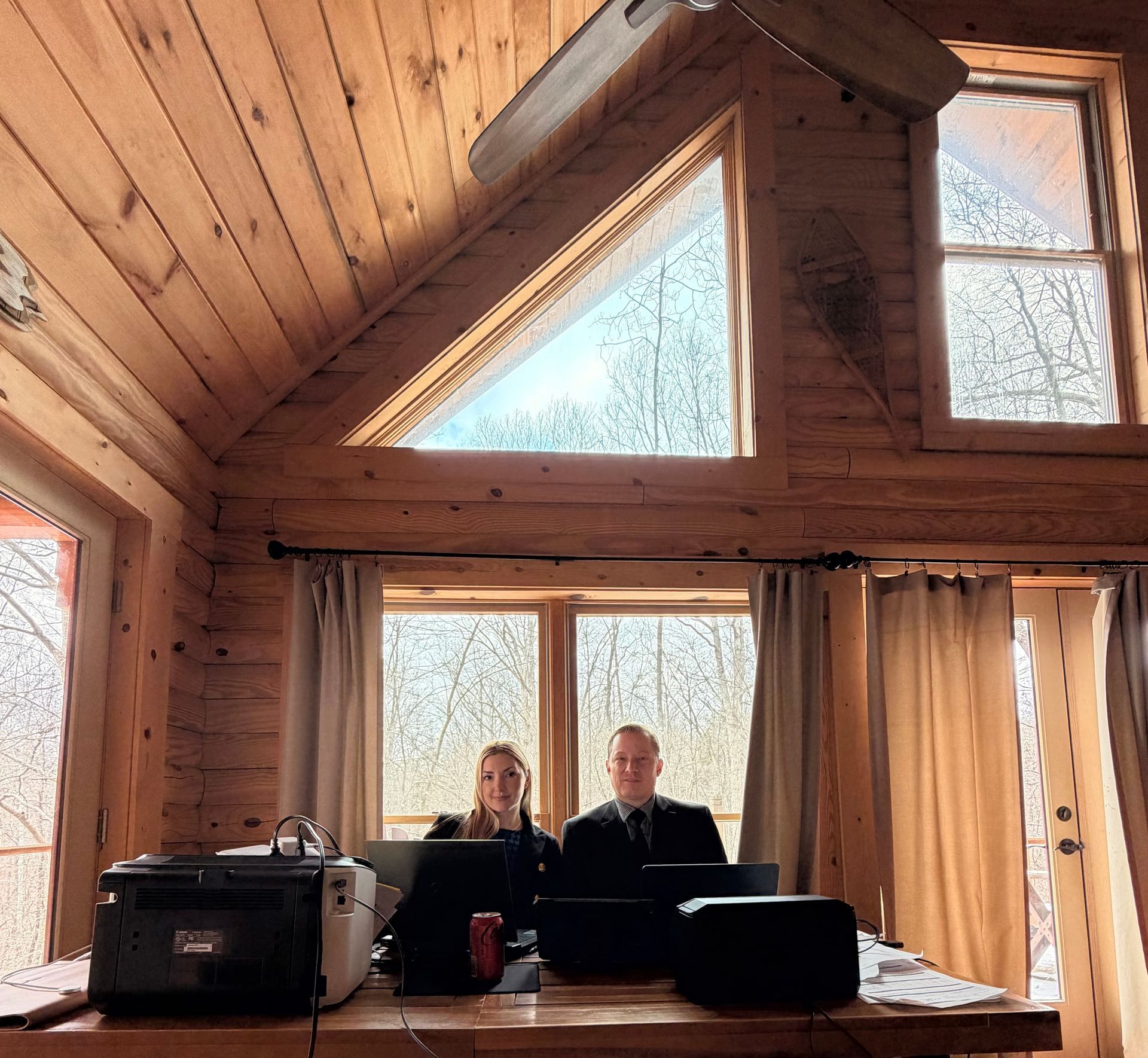
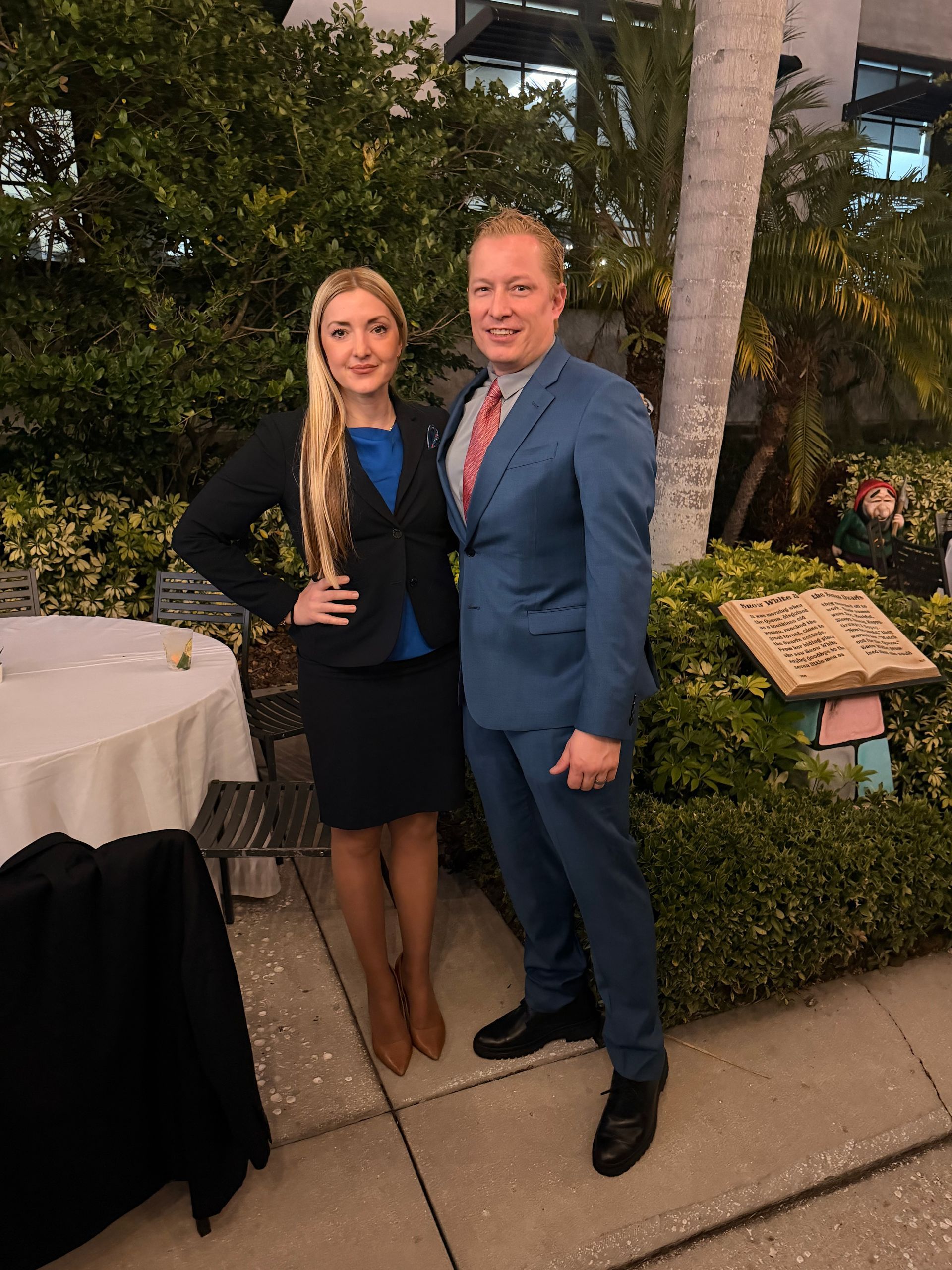
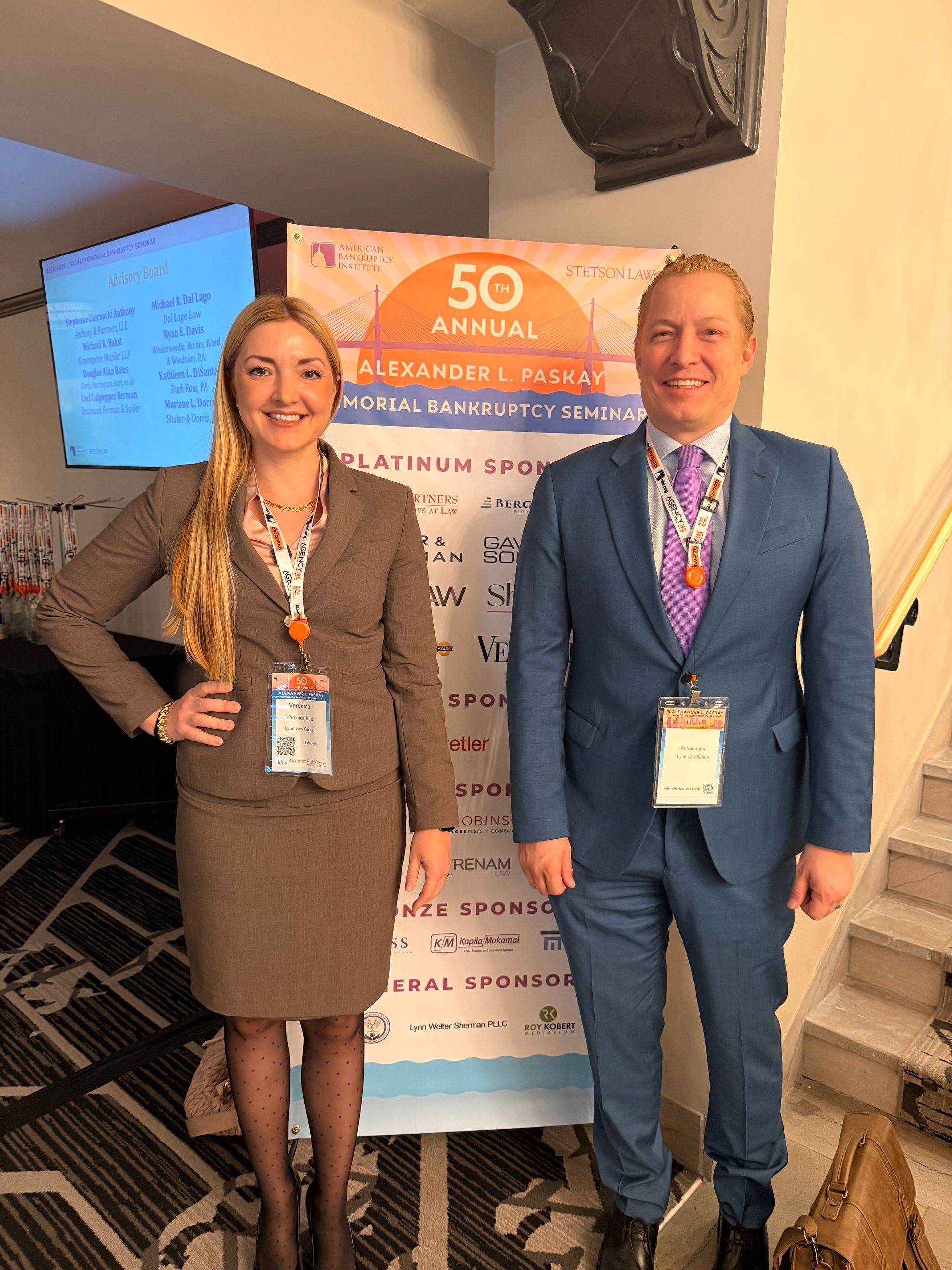
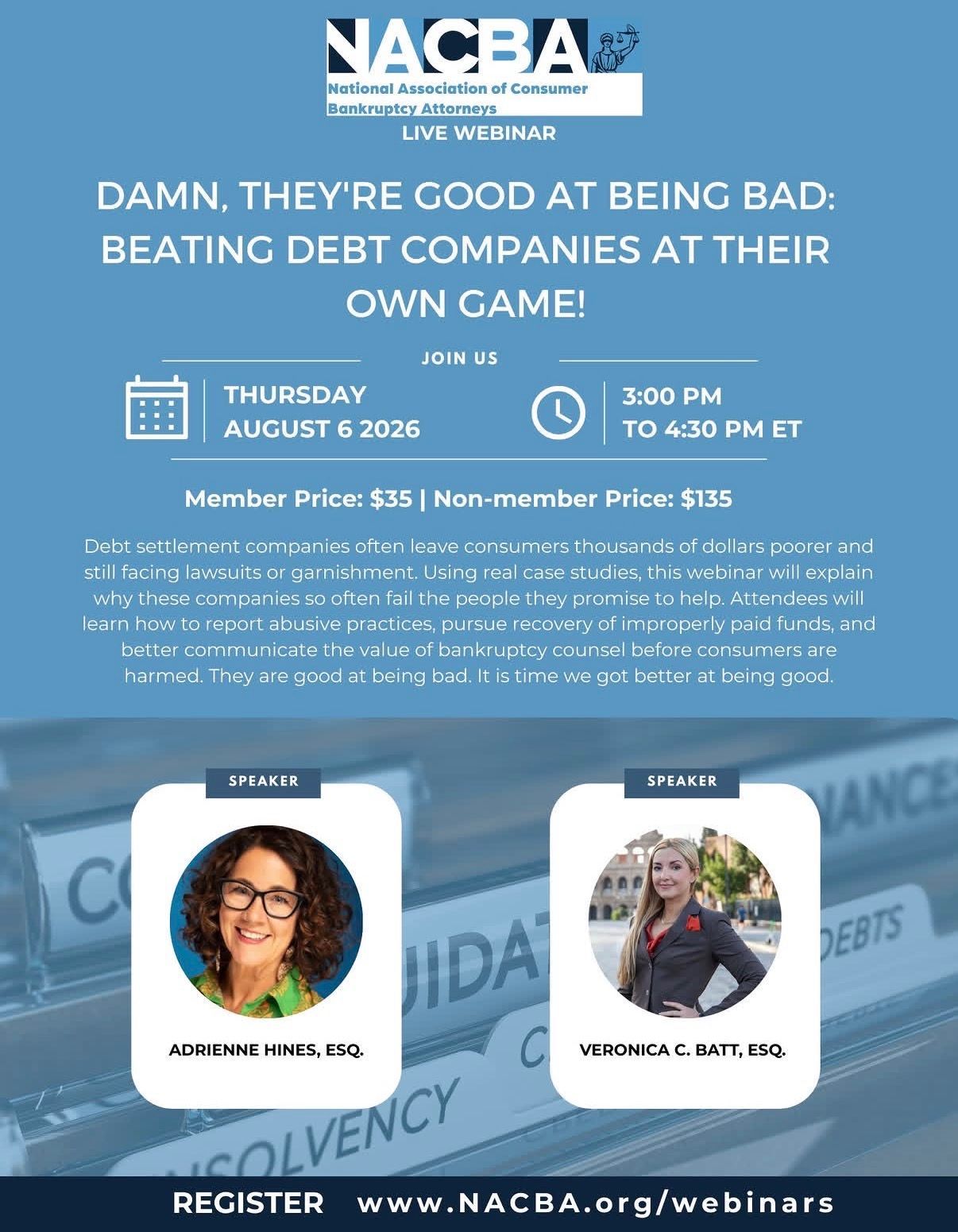
Recently, I had the opportunity to speak for the National Association of Consumer Bankruptcy Attorneys (NACBA) alongside my friend and fellow consumer advocate, Adrienne Hines, also known as @TheLadyLikeLawyer.
Our topic?
Debt settlement companies. And, more specifically, what happens when the promise of debt relief leaves a consumer in an even worse financial position.
It is a subject I care deeply about because, as a bankruptcy attorney, I spend a lot of time talking to people who are financially distressed.
And I want to be very clear about something:
Financial distress does not mean financial failure.
What Bankruptcy Lawyers See That Most People Don't
By the time someone sits down with us, there is usually a much bigger story behind the numbers.
A job loss.
A divorce.
Medical expenses.
A failed business.
A reduction in income.
Credit cards that were manageable until suddenly they weren't.
Or sometimes, simply years of trying to keep up with minimum payments while interest makes it nearly impossible to actually get ahead and keeps them on a hamster wheel.
I have spent my career representing real people with real problems. Before focusing my practice on bankruptcy and consumer law, I spent nearly a decade as an Assistant Public Defender. That experience taught me something that continues to shape the way I practice law today:
People deserve an advocate when the system feels bigger than they are.
That's a huge part of why consumer bankruptcy law matters so so much to me.
Why We Talked About Debt Settlement at NACBA
Debt settlement is heavily marketed to consumers who are scared, overwhelmed, and looking for a way out.
The advertisements can be incredibly compelling.
Reduce your debt.
Make one affordable payment.
Avoid bankruptcy.
Become debt free.
But attorneys who represent financially distressed consumers often see what can happen after those advertisements.
I've spoken with people who spent months and years making payments toward a debt settlement program only to discover that some creditors had not been paid or settled. In the meantime, interest may continue to accrue, credit can deteriorate, and creditors may still pursue collection or litigation.
That doesn't mean every debt settlement situation is identical or that bankruptcy is always the right answer.
It means consumers deserve to understand all of their options before committing thousands of dollars to one of them.
That was a major focus of our NACBA presentation.
We discussed the federal regulations applicable to debt-relief services, including the Federal Trade Commission's Telemarketing Sales Rule and its restrictions on advance fees for certain debt-relief services.
We also discussed using state consumer-protection laws and the tools attorneys should be evaluating when a financially distressed consumer comes into our office after an unsuccessful debt settlement experience.
Bankruptcy Should Be Part of the Conversation
One of the things that concerns me most is when someone spends a year or two desperately trying to avoid bankruptcy without ever actually speaking with a bankruptcy attorney.
Bankruptcy has an enormous stigma attached to it.
But bankruptcy is not a moral judgment.
It is a legal remedy created by federal law.
For the right person, a Chapter 7 bankruptcy may eliminate qualifying unsecured debts and provide a fresh financial start, within a relatively short amount of time.
For someone trying to protect a home, address mortgage arrears, manage tax debt, or restructure other obligations, Chapter 13 may provide another path.
And for a struggling small-business owner, bankruptcy may offer options that simply aren't available through a debt settlement program.
The important question isn't:
"How do I avoid bankruptcy at all costs?"
The better question is:
"What legal and financial option puts me in the strongest position three or five years from now?"
Sometimes the answer is bankruptcy.
Sometimes it isn't.
But people deserve enough information to make that decision intelligently.
Why Speaking to Other Bankruptcy Attorneys Matters to Me
One of the things I love about organizations like NACBA is that consumer bankruptcy attorneys share information.
We compare experiences.
We discuss emerging issues.
We analyze statutes and regulations.
We talk about what we're seeing in our practices.
And ultimately, we become better advocates and lawyers for our clients.
I was especially happy to give this presentation with Adrienne Hines because she shares that passion for consumer advocacy and is so vocal about it too!
When lawyers who work with financially distressed people exchange information about what we're seeing across the country, we're better equipped to recognize problems and protect the people who walk into our offices.
For me, that's what continuing legal education should actually accomplish.
I have said this before... I used to feel like CLEs were just checking a box, every single bankruptcy one I do is so much more.
Becoming a better lawyer for the people who trust us with some of the hardest moments of their lives.
Helping People in Financial Distress in Fort Myers and Southwest Florida
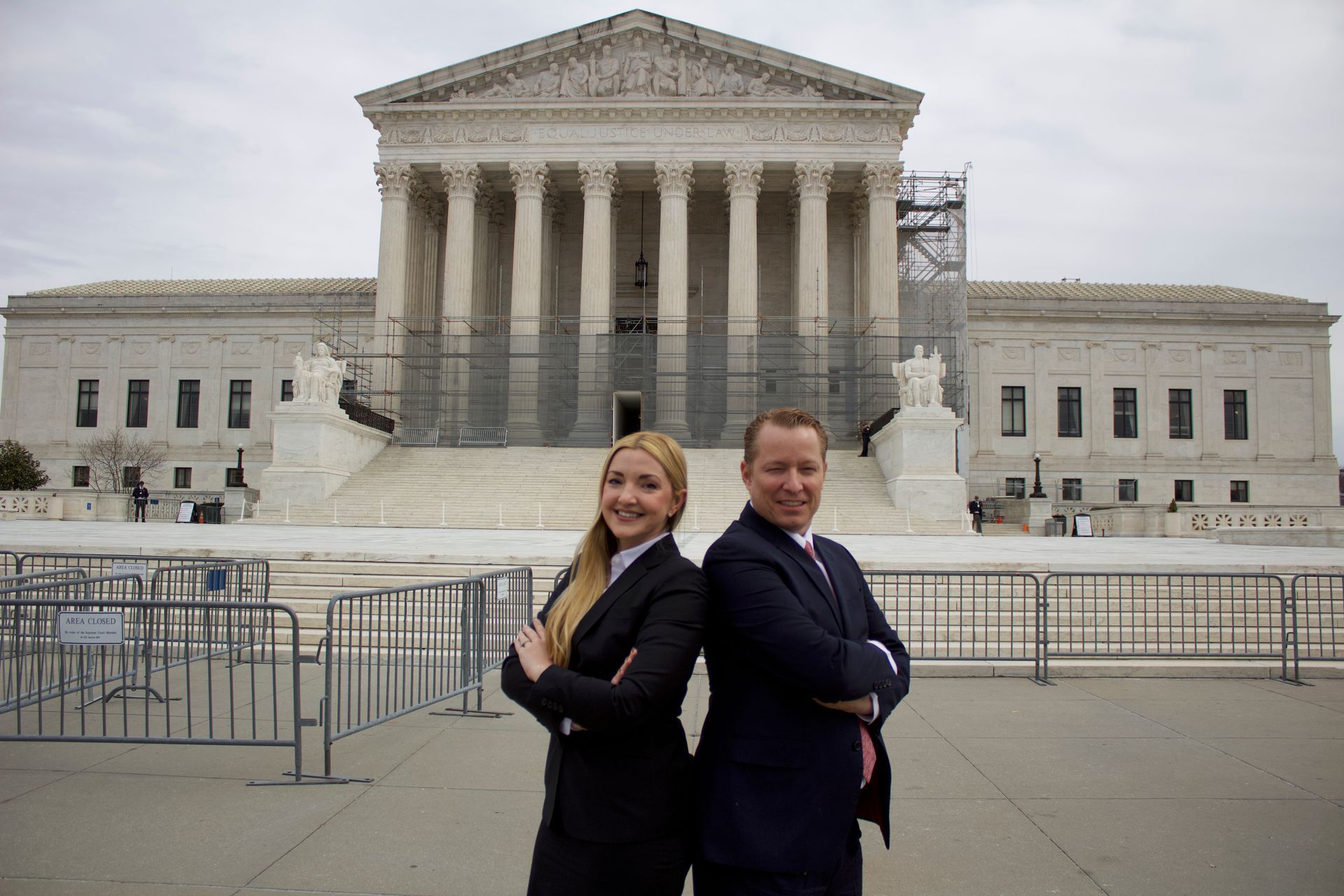
At Lynn Law Group, my husband and I represent individuals, families, and business owners dealing with overwhelming debt throughout Fort Myers, Cape Coral, Estero, Bonita Springs, Naples, and Southwest Florida, as well as bankruptcy clients throughout Florida where appropriate.
We help people evaluate options under Chapter 7, Chapter 13, and small-business bankruptcy, along with consumer-law issues that can arise from debt collection.
And I never want someone to feel embarrassed about making that first phone call.
If you're struggling with credit cards, lawsuits, wage garnishment, foreclosure, overwhelming business debt, or simply feel like you are working every month just to service debt that never seems to disappear, talk to someone who actually understands bankruptcy law.
You may have more options than you think.
And understanding those options doesn't obligate you to file bankruptcy.
It simply gives you the information you need to decide what your fresh start should look like.
About Veronica Batt
Veronica Batt is a Florida attorney with Lynn Law Group in Fort Myers, Florida. Her practice focuses on bankruptcy and consumer law, including representation of individuals and families considering Chapter 7 and Chapter 13 bankruptcy and business owners facing financial distress. Before entering private practice, Veronica spent nearly a decade as an Assistant Public Defender in Florida. She regularly participates in continuing legal education and consumer-bankruptcy organizations and is passionate about making the bankruptcy process understandable, accessible, and free from shame.
This article is for general informational purposes only and is not legal advice. Bankruptcy and consumer-law outcomes depend on the specific facts of each case.